


Thinking about upgrading your kitchen tools in 2026? You've probably seen those beautiful teak wood cooking utensils around, and maybe wondered if they're worth the hype. Well, you're in the right place. This guide is all about helping you figure out if teak is the right choice for your cooking needs. We'll break down what makes them special, what to look for when buying, and how to keep them looking great for years to come. Let's get cooking!
Key Takeaways
-
Teak wood is a great choice for kitchen tools because it's naturally durable, doesn't scratch easily, and is resistant to heat and stains.
-
When buying teak utensils in 2026, look for comfortable handles, smooth finishes with no rough spots, and ones that are treated with natural oils.
-
The most common teak utensils are spatulas, serving spoons, and mixing spoons, each serving a different purpose in the kitchen.
-
Taking care of your teak tools involves simple hand washing, drying them well, and occasionally oiling them to keep the wood looking good.
-
Choosing teak utensils from companies that source their wood responsibly means you're making an environmentally friendly choice.
Understanding Teak Wood Cooking Utensils
When you're in the kitchen, the tools you use can make a big difference. Teak wood cooking utensils have become really popular, and for good reason. They bring a certain warmth and natural beauty to your cooking space that you just don't get with other materials. Plus, they're built to last, which is always a plus when you're spending time prepping meals.
The Natural Appeal of Teak
Teak wood has this unique look that many people find really appealing. It's got a rich, golden-brown color and a grain pattern that's both elegant and earthy. This natural beauty means your teak utensils won't just be tools; they'll be decorative pieces too. Unlike plastic or metal, teak has a soft, smooth feel that's pleasant to hold. It’s the kind of material that makes you feel more connected to the food you're preparing.
Durability and Longevity
One of the biggest draws of teak is how tough it is. Teak trees grow in tropical climates, and the wood itself is naturally oily. This oil content is what makes teak so resistant to moisture, rot, and even insect damage. Think about it: this is the same wood used for boat decks and outdoor furniture because it holds up so well in tough conditions. For your kitchen, this translates to utensils that can handle daily use without showing wear and tear quickly. They won't warp, crack, or splinter easily, meaning a good set of teak utensils can be with you for years, maybe even decades.
Why Teak for Your Kitchen?
So, why choose teak over other materials? For starters, it's kinder to your cookware. Unlike metal utensils that can scratch non-stick surfaces, teak is gentle. It won't damage your pots and pans, helping them last longer. It's also a great insulator, meaning the handles don't get scorching hot when you're cooking, which is a nice safety feature. And let's not forget the health aspect; teak is a natural material, free from the chemicals that can sometimes be found in plastics. It’s a choice that feels good, both for your cooking and for your peace of mind.
Choosing teak means you're opting for a material that's not only beautiful and functional but also has a natural resilience that stands up to the demands of a busy kitchen. It’s a practical choice that adds a touch of natural elegance to your daily cooking routine.
Key Features to Consider in 2026
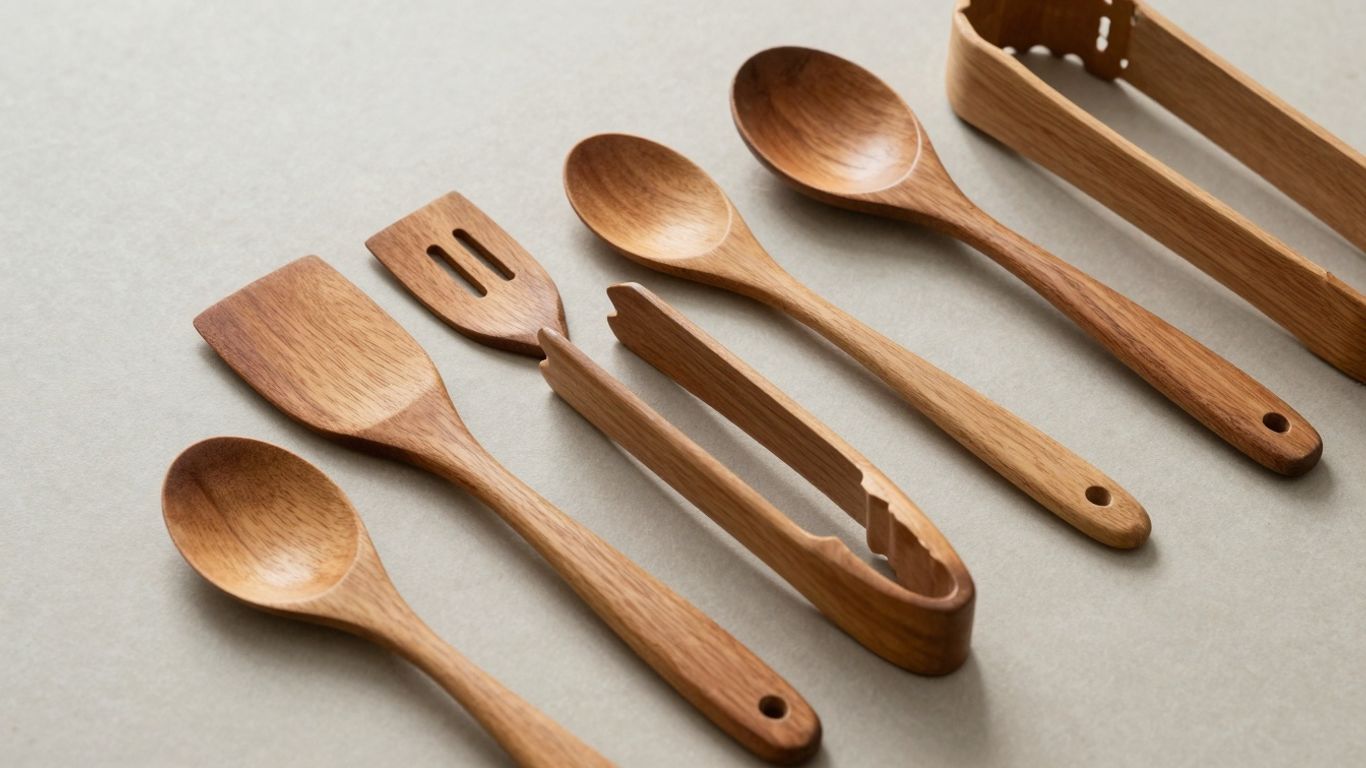
When you're looking to add some new teak cooking tools to your kitchen arsenal in 2026, there are a few things that really make a difference. It's not just about grabbing any old wooden spoon; you want something that feels good in your hand and will last. Paying attention to the details can turn a good utensil into a great one.
Ergonomic Handle Designs
Think about how you actually use your cooking tools. A handle that's too thin, too thick, or just awkwardly shaped can make cooking a chore. Good teak utensils have handles designed with comfort in mind. They often have a slight curve or a thicker profile that fits nicely in your palm, reducing hand fatigue, especially during longer cooking sessions. This thoughtful design makes a big difference when you're stirring a big pot of soup or flipping multiple pancakes. It’s about making the cooking process more enjoyable, not less.
Seamless Construction
Look for utensils where the handle and the utensil head are joined without any obvious gaps or rough spots. This means the wood has been shaped and finished smoothly, so there are no places for food particles to get stuck. This is super important for hygiene. A utensil that's carved from a single piece of wood, or where the join is expertly done, is easier to clean and less likely to harbor bacteria. It also just feels better in your hand – no annoying ridges or sharp edges.
Natural Oil Finish
Teak wood naturally contains oils that make it resistant to water and stains. However, many manufacturers apply an additional food-safe oil finish. This isn't just for looks; it helps protect the wood further and keeps it from drying out. You'll want to look for utensils that have a natural oil finish, often a light sheen rather than a thick varnish. This finish helps maintain the wood's natural beauty and its protective qualities. It’s a sign that the maker cares about the longevity and safety of their product. Keeping your teak in good shape means it can be a reliable kitchen companion for years to come, much like the elegant teak wood kitchenware that's becoming so popular.
Here's a quick rundown of what to look for:
-
Smoothness: Run your hand over the handle and head. It should feel smooth, with no splinters or rough patches.
-
Joinery: Check where the handle meets the head. It should be tight and smooth, with no visible glue lines or gaps.
-
Finish: The wood should have a subtle sheen, indicating a natural oil finish, not a plasticky coating.
-
Weight and Balance: Does it feel comfortable and balanced in your hand? It shouldn't feel too heavy or too light.
Choosing teak utensils with these features in mind means you're investing in tools that are not only beautiful but also practical and built to last. It's about quality you can feel and see.
Essential Teak Utensil Types
When you're outfitting your kitchen, having the right tools makes all the difference. Teak wood offers a fantastic blend of beauty and practicality, and certain types of utensils really shine in this material. These aren't just pretty additions; they're workhorses designed for everyday cooking.
Spatulas and Turners
These are probably the most used items in any kitchen. A good teak spatula or turner needs to be sturdy enough to flip pancakes or burgers but also gentle enough not to scratch your non-stick pans. Look for ones with a slightly angled edge, which helps get under food easily. Some have a wider head for bigger items, while others are narrower for more delicate tasks. The natural grip of teak also means you won't be fumbling around when your hands are a bit oily.
Serving Spoons and Ladles
For dishing out stews, soups, or pasta salads, teak serving spoons and ladles are a great choice. They feel substantial in your hand, and their smooth finish means they won't snag delicate foods. A deep ladle is perfect for brothy soups, while a broader, flatter serving spoon works well for salads or rice. Their natural warmth complements any table setting.
Mixing and Stirring Spoons
These are your go-to for everything from scrambling eggs to stirring sauces. Teak mixing spoons often have a slightly rounded or flattened end, making them ideal for scraping the sides and bottom of bowls and pots. They're also great for gently folding ingredients together without deflating them. You'll find different lengths available, so pick one that suits the size of your mixing bowls and pots.
Choosing teak utensils means you're opting for tools that are kind to your cookware and pleasant to hold. They bring a touch of natural elegance to the cooking process, making even simple tasks feel a bit more special.
Caring for Your Teak Investments
So, you've got some nice teak cooking tools. That's great! They look good and they work well, but like anything you want to last, they need a little attention. It’s not complicated, honestly. Just a few simple steps will keep them in top shape for years.
Proper Cleaning Techniques
First off, forget the dishwasher. Seriously. The high heat and harsh detergents will do a number on the wood, making it dry out and crack. Hand washing is the way to go. Use warm water and a little bit of mild dish soap. Give them a gentle scrub, especially if you've been cooking something sticky. Rinse them off well and then, this is important, dry them right away with a clean towel. Don't just leave them to air dry, as that can lead to water spots or even warping over time. If you've got something really stubborn stuck on, like burnt bits, you can try a paste made from baking soda and water, or even rub a cut lemon over the spot. Just make sure to rinse and dry thoroughly afterward.
Maintaining the Natural Finish
Teak wood has natural oils that keep it looking good and protect it. Over time, especially with frequent use and washing, these oils can diminish. To keep your utensils looking their best, you'll want to re-oil them now and then. A good quality mineral oil, or a specific wood conditioning oil, works wonders. You can find good options for wood conditioning oil. Just apply a small amount to a clean cloth and rub it into the wood, going with the grain. Let it soak in for a bit, maybe 15-20 minutes, and then wipe off any excess. How often you do this depends on how much you use them, but maybe once a month is a good starting point. It really makes a difference in how the wood looks and feels.
Avoiding Damage and Stains
Teak is pretty tough, but it's not indestructible. Try to avoid leaving your utensils sitting in water for long periods, as this can cause the wood to swell and eventually crack. Also, be mindful of what you're cooking. Highly acidic foods, like tomato sauce or lemon juice, can sometimes leave a faint mark if left in contact with the wood for too long. It's best to rinse your utensils soon after using them with such ingredients. Similarly, strong-smelling foods can sometimes transfer their scent. While teak is less prone to this than some other woods, it's still something to keep in mind. A quick wash usually does the trick to prevent any lingering smells.
Taking a few minutes to properly clean and care for your teak utensils after each use will significantly extend their lifespan and keep them looking beautiful. It's a small effort for a long-term reward in your kitchen.
Sustainable Sourcing and Ethical Choices
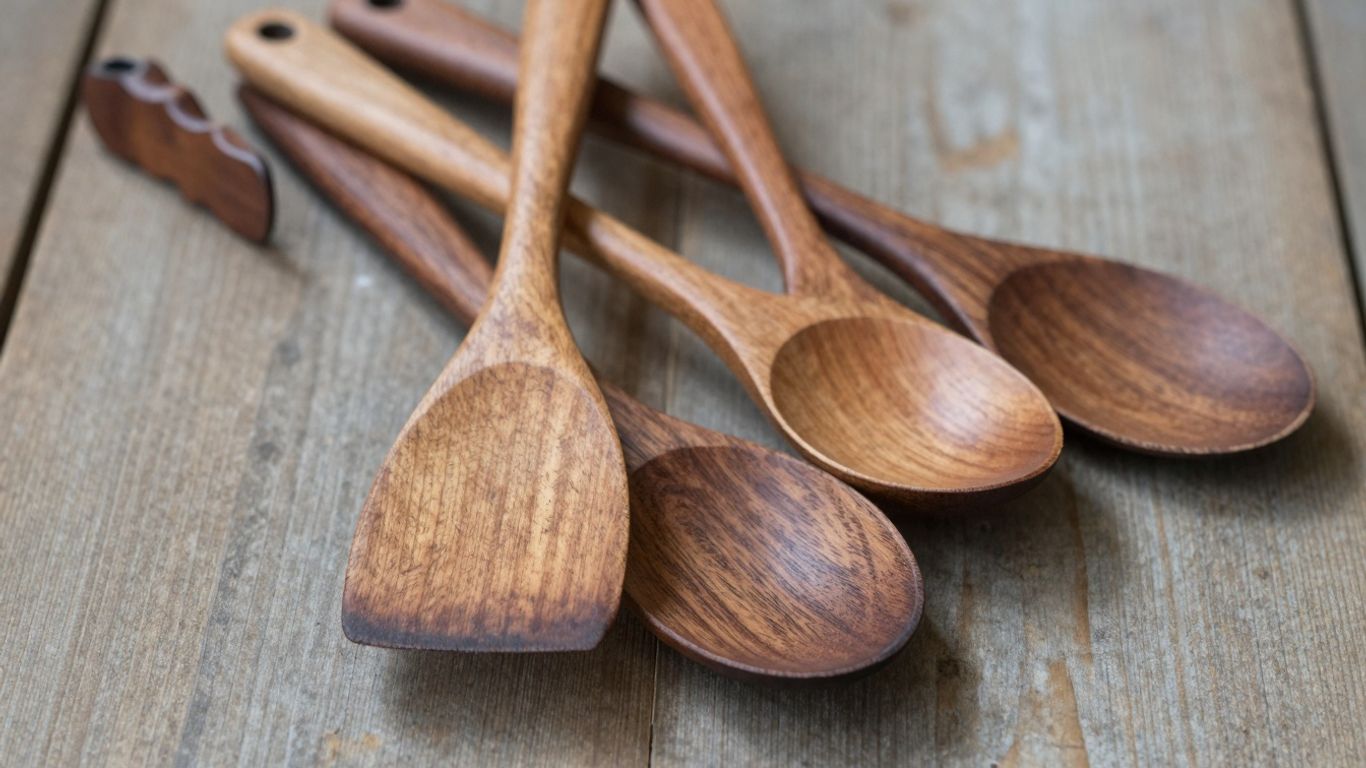
When you're picking out teak wood cooking tools, it's not just about how they look or how well they work. Thinking about where the wood comes from and how it's harvested makes a difference. It’s about making choices that are good for the planet and the people who make these items.
Identifying Responsibly Harvested Teak
So, how do you know if your teak is coming from a good place? Look for certifications. The Forest Stewardship Council (FSC) is a big one. They have strict rules about how forests are managed, making sure they're not being over-cut and that wildlife and local communities are looked after. Another sign is if the company is open about their supply chain. Good brands will tell you where their wood comes from and how they get it. If a company is vague, that might be a red flag.
The Environmental Impact
Teak trees grow slowly, and if forests are cleared without replanting, it can lead to problems like soil erosion and loss of animal homes. Unchecked logging can really mess with local ecosystems. On the flip side, well-managed teak plantations can actually be a positive thing. They can provide jobs and help restore areas that might have been degraded before. It’s a balancing act, really.
Supporting Ethical Brands
Choosing brands that care about sustainability is key. Here are a few things to look for:
-
Certifications: As mentioned, FSC certification is a strong indicator.
-
Transparency: Brands that share information about their sourcing and manufacturing processes.
-
Fair Labor Practices: Companies that treat their workers well and pay fair wages.
-
Community Involvement: Brands that support the local communities where their teak is harvested.
Making informed choices about your kitchen tools means looking beyond the surface. It's about understanding the journey from the forest to your hand and supporting practices that benefit everyone involved, including the environment. This thoughtful approach ensures your kitchenware is not only functional but also aligns with your values.
Comparing Teak to Other Materials
So, you're thinking about teak for your kitchen tools, but maybe you're wondering how it stacks up against other stuff out there. It's a good question to ask, really. You've got a few main players when it comes to kitchen utensils, and each has its own vibe.
Teak vs. Silicone Utensils
Silicone is pretty popular these days, and for good reason. It's flexible, heat-resistant, and usually pretty easy to clean. Plus, it's gentle on non-stick pans, which is a big plus if you've got those. However, silicone can sometimes feel a bit flimsy for really tough jobs, like scraping thick dough or digging into something stuck on the bottom of a pot. Teak, on the other hand, is solid. It's got weight and strength. While silicone is great for delicate tasks and won't scratch your pans, teak offers more power and a natural feel. You won't find silicone giving you that same satisfying heft when you're stirring a thick stew. It's a trade-off between flexibility and robustness. For a lot of cooks, having a mix is the way to go – silicone for the non-stick stuff and teak for the heavy lifting.
Teak vs. Stainless Steel Utensils
Stainless steel is a kitchen workhorse. It's durable, doesn't stain or hold onto odors, and many pieces are dishwasher safe, which is super convenient. You can find some really sleek-looking stainless steel tools, too. But, and this is a big 'but' for some, stainless steel can be a real menace to your cookware. It can scratch up non-stick coatings and even damage delicate surfaces. Also, metal can get really hot when it's near the stove, and it doesn't have the same natural warmth or grip as wood. Teak feels nicer in your hand, and it's much kinder to your pots and pans. If you're worried about damaging your expensive cookware, teak is definitely the safer bet. You can find some really nice stainless steel tongs if that's your preference, but be mindful of what you're using them with.
Teak vs. Other Hardwoods
Teak isn't the only hardwood out there for kitchen tools. You'll see maple, beech, cherry, and bamboo (though bamboo is technically a grass, it's often treated like a hardwood in this context). Maple and beech are pretty common, offering good durability and a smooth finish. Cherry wood can be beautiful, often with a nice reddish hue. Bamboo is known for being lightweight and sustainable. So, where does teak fit in?
-
Water Resistance: Teak has natural oils that make it more resistant to water and moisture than many other woods. This means it's less likely to warp, crack, or develop mold over time, especially in a humid kitchen environment.
-
Durability: While other hardwoods are strong, teak is exceptionally dense and hard-wearing. It holds up really well to daily use and doesn't show nicks and scratches as easily.
-
Aesthetics: Teak has a distinct, rich golden-brown color and a beautiful grain pattern that many people find very appealing in the kitchen.
While other hardwoods are perfectly fine for kitchen utensils, teak often stands out due to its superior natural resistance to moisture and its overall toughness. It's a bit of an investment, sure, but it tends to last longer and look better doing it.
When you're picking out utensils, think about what you do most in the kitchen. If you're mostly stirring delicate sauces, silicone might be your friend. If you need something tough that won't wreck your pans, teak is a solid choice. And if you're worried about scratching your pots, definitely steer clear of metal-on-metal action.
Wrapping It Up
So, there you have it. Choosing teak wood cooking tools isn't just about picking up a new spatula or spoon; it's about bringing a bit of natural beauty and lasting quality into your kitchen. These utensils are tough, look great, and won't mess with your non-stick pans. Plus, they feel good in your hand when you're stirring that sauce or flipping those pancakes. By picking out a few good pieces now, you're setting yourself up for years of enjoyable cooking. Happy cooking!
Frequently Asked Questions
Why is teak wood a good choice for cooking tools?
Teak wood is super strong and lasts a really long time. It's also naturally a bit oily, which helps protect it from water and heat, making it perfect for busy kitchens. Plus, it looks really nice!
What makes teak utensils different from other materials in 2026?
In 2026, you'll find teak utensils with even comfier handles that feel good in your hand. They're often made in one smooth piece so food doesn't get stuck, and they have a natural finish that's safe for cooking.
What are the most common teak kitchen tools I should look for?
You'll find lots of useful teak items like spatulas for flipping food, big spoons for serving or stirring, and smaller spoons for mixing ingredients. They're all designed to make cooking easier.
How do I take care of my teak cooking tools?
It's pretty simple! Just wash them by hand with mild soap and water, and dry them right away. To keep them looking great, give them a rub with a little food-safe oil every now and then. Avoid putting them in the dishwasher or leaving them soaking in water.
Is teak wood eco-friendly?
When teak is grown and harvested responsibly, it's a great choice for the environment. Look for brands that say they get their wood from sustainable forests. This helps make sure we don't run out of trees and that forests stay healthy.
How does teak compare to silicone or metal kitchen tools?
Teak is softer on your pots and pans than metal, so it won't scratch them. Unlike silicone, it doesn't melt easily and has a natural, warm look. While metal is very durable, teak offers a unique feel and is gentler on cookware.

